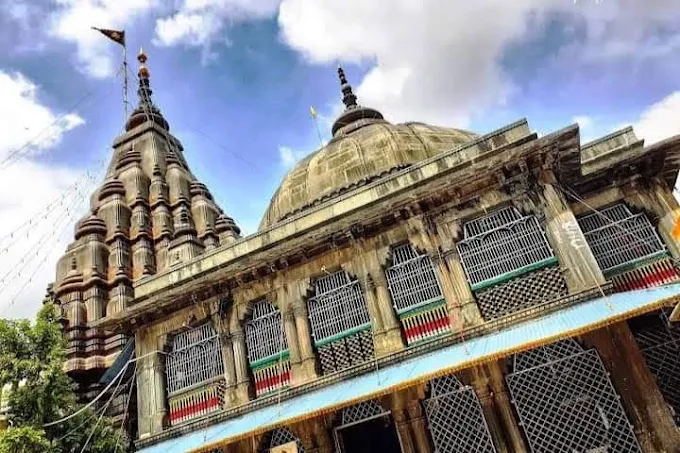
Discover Gaya district in Bihar—home to Bodh Gaya’s Mahabodhi Temple, Vishnupad temple rituals, ancient rock caves, and rich local cuisine. Plan your visit with this Gaya district travel guide.
Flanked by rugged granite hills and bisected by the mystical Falgu River, Gaya district in Bihar sits at the crossroad of world history and deep-rooted spirituality. Unlike typical tourist hubs, Gaya offers a profound dual narrative: it is both the ultimate sanctuary of Buddhist enlightenment and the supreme site for Hindu ancestral rites (Pind Daan).
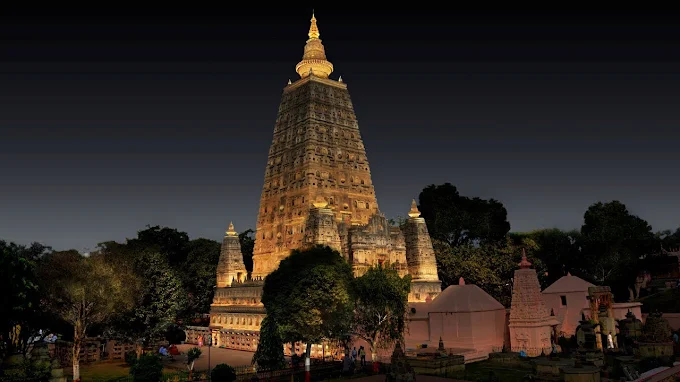
Bodh Gaya: Where Prince Siddhartha Became Buddha
Just 16 km south of Gaya city lies Bodh Gaya, one of the four most sacred sites in Buddhism. Millions of global pilgrims travel here annually to experience its serene atmosphere.
- Mahabodhi Temple Complex: Designated a UNESCO World Heritage Site, this 50-meter-tall brick spire stands as a masterpiece of early Indian architectural design.
- The Sacred Bodhi Tree: Situated directly behind the main temple, this tree is a living descendant of the original Ficus religiosa under which Buddha attained Nirvana around 500 BCE.
- International Monasteries: Stroll through distinct architectural shrines built by monastic communities from Japan, Thailand, Bhutan, Tibet, and Vietnam.
Gaya Ji: The Sacred Land of Moksha
Mentioned in both the Ramayana and the Puranas, Gaya Ji is widely recognized as the world’s most significant center for ancestor veneration.
- Vishnupad Temple: Rebuilt in 1787 by Queen Ahilyabai Holkar of Indore, this temple houses a 40-cm footprint of Lord Vishnu embedded in solid basalt rock.
- Pitru Paksha Mela: During this annual autumn fortnight, families gather along the banks of the Falgu River to perform Pind Daan rituals, seeking liberation (moksha) for departed souls.
- Mangla Gauri Shrine: Perched atop Mangalagauri Hill, this site is revered as one of the 18 central Shakti Peethas of India.
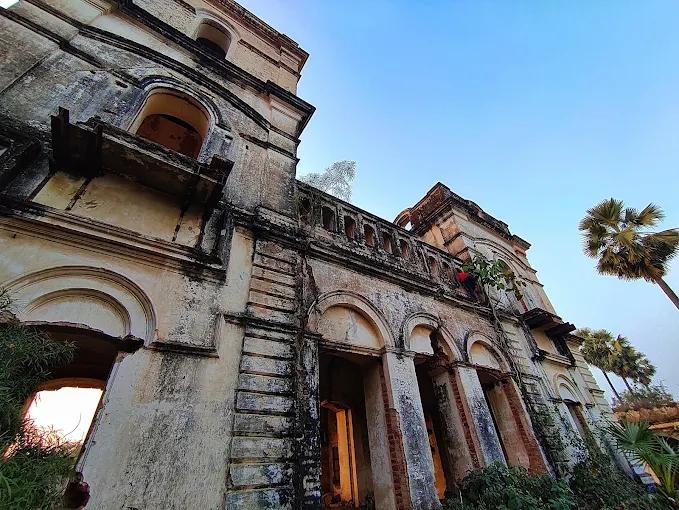
Off-the-Beaten-Path: Ancient Caves & Rock Cut Wonders
Gaya district travel guide Beyond the main shrines, Gaya’s rocky outskirts hold centuries of architectural evolutionary history:
- Barabar Caves: Located 24 km north of Gaya, these represent the oldest surviving rock-cut cave monuments in India, carved under the patronage of Emperor Ashoka.
- Dungeshwari (Mahakala) Caves: The rugged rock shelters where Gautama Buddha practiced severe austerities before reaching Bodh Gaya.
Local Delicacies & Craft Heritage
- Tilkut: A crisp, winter-specialty sweet made from roasted sesame seeds and jaggery or refined sugar.
- Anarsa & Lai: Classic Bihari confections cooked using rice flour, poppy seeds, and khoya.
- Gamhar Craft: Intricate hand-carved wooden crafts created by local artisans.
Gaya District Travel Snapshot
| Parameter | Details |
| Best Time to Visit | October to March (Mild winter weather) |
| Nearest Airport | Gaya International Airport (GAY) |
| Railway Junction | Gaya Junction (GYA) – Major East-Central Rail Hub |
| Top Local Foods | Tilkut, Anarsa, Litti Chokha, Sattu Paratha |
| Key Festivals | Buddha Purnima, Pitru Paksha Mela, Chhath Puja |
Asked Questions
Q1: How many days are sufficient to explore Gaya and Bodh Gaya?
A 2-to-3-day itinerary allows enough time to visit the Mahabodhi Temple, key monasteries, Vishnupad Temple, and a day trip to the Barabar Caves.
Q2: What is the significance of the Falgu River in Gaya?
The Falgu River is sacred for Hindu ancestral rites. Due to an ancient curse mentioned in scriptures, the river bed often appears dry on the surface while water flows underneath its sandy banks.